Journaling 101
Write It Out
What is Journaling?
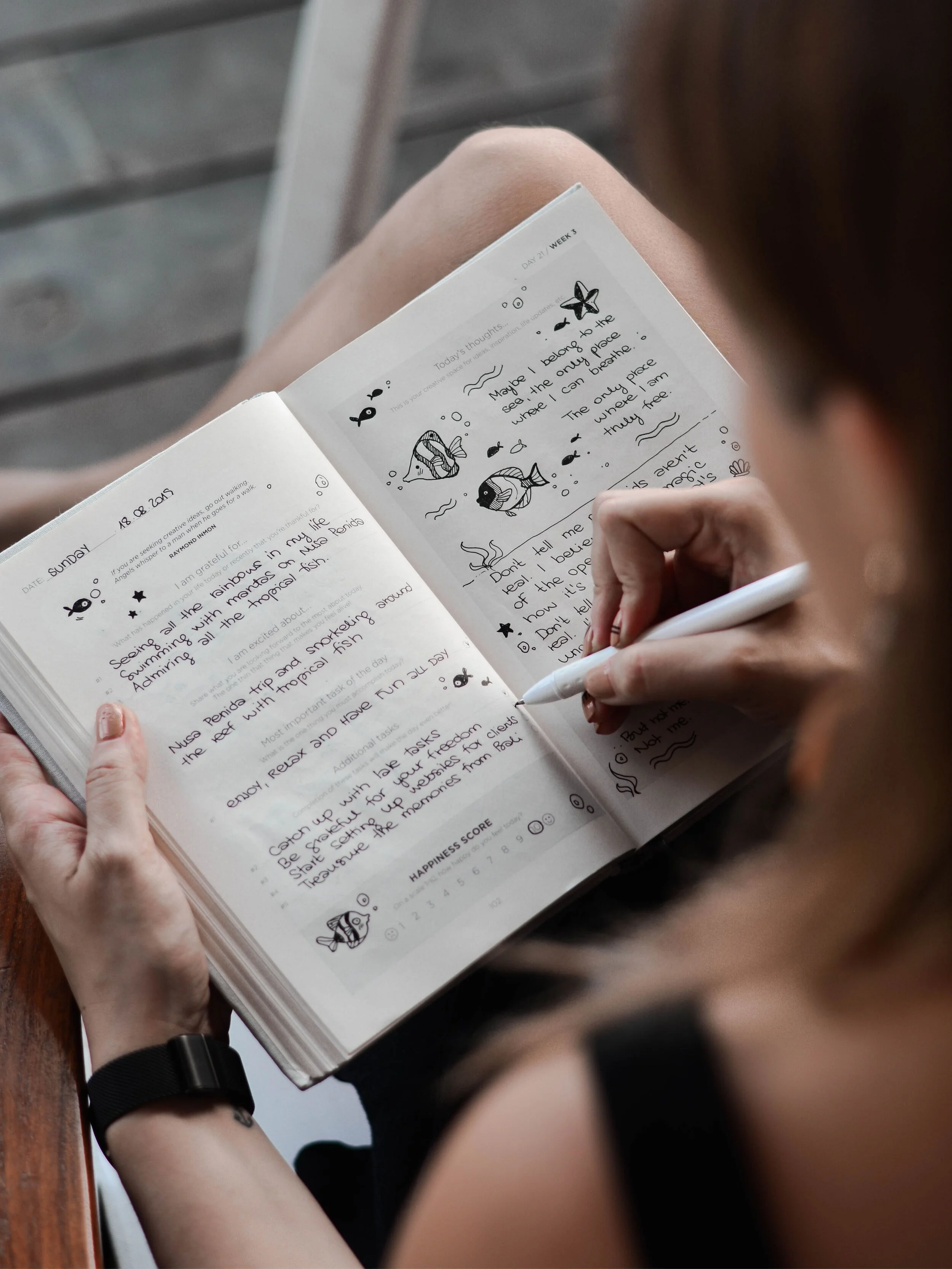
A journal is a personal record of events and experiences, usually captured in a notebook or diary. Journal or diary entries tend to be self-reflective where the writer examines how he or she thinks or feels about personal, familial or societal occurrences and changes.
The Benefits of Journaling
Journaling or writing a diary is a great way to process your ideas. That is to say, to get them out, write them down and explore them further through writing. In this way, you get a chance to organise your thoughts and establish what is more or less important. Personally, I feel a sense of achievement having written out my take on certain topics and experiences I have heard or had during the day.
Similarly, journaling can be good for your mental health, allowing you time to reflect on problems or difficult situations in your own safe space. Indeed, I wrote a poem to my diary in which I refer to her as a friend, a listening ear, who is always there but never judges. Getting your frustrations out through can be the perfect way to start the day, or even go to bed, leaving you feeling lighter and with a more positive outlook.
A regular writing practice can help get your creative juices flowing, by looking at the world through different lenses and expressing yourself in different ways. Prioritising time for yourself to be introspective in this way also allows you to make new connections between ideas and experiences.
Digital Tools for Journaling
There are a number of writing apps and websites out there that will help you capture, edit and publish your writing. For example, every smartphone has a Notes app. I use the one on my iPhone to note down my thoughts, ideas for blog posts and even poems! It also has useful features such as tick boxes for lists and you can even draw or colour in if that’s what you’re into. Otherwise, Evernote is another note-taking app I use for journaling. It has more functionality, including the ability to take and save pictures, open documents and annotate them, even record audio, so you can capture your spoken thoughts at any time.
In terms of editing, Grammarly helps to correct grammar and spelling, provides suggestions to add variety to your work, as well as the general organisation of your text. However, I prefer the web-based version of the Hemingway Editor app which I use with my blog and Instagram posts (usually!). It helps you to write clearly and succinctly, prompting you to cut out unnecessary adverbs, use simpler alternatives and reduce long sentences.
Finally, if you are all ready to publish and don’t know where to go, you might want to set up a blog or share your writing with an online community. Although Wordpress blogs are very popular, teachers might be interested in setting up a free Edublog with their students, or use a free website builder such as Blogger, Wix or Weebly that also include blogs. In terms of online writing communities, the Share Your Story Facebook group always welcomes new and emerging writing. Non-Native English Writers Facebook group support those who write in English, even if it’s not their mother tongue. And Writer’s Ink also promote creative writing in English by non-native speakers.
More Online Writing Opportunities
So you like the suggestions, but what you really want is some individual or group support? I got you!
Picture prompts are at the heart of the @picwriter project, bringing original photography to spark your imagination and help you develop writing skills. They have also launched a storytelling podcast called Cozy Cozy Sleepy Sleepy, an aural delight which feature Picwriter stories. There is also an open invite if you want to get involved.
If a group is more your thing, and you like to doodle and draw as well as write, then the Vagabond English club led by Trisha Traughber, is for you. The focus of this group is to cultivate a writing habit and she has created a short, but sweet self-paced free journaling email course that will help you Capture, Create and Connect important moments in your life.
Finally, if you like to experiment with digital tools to boost your reading and writing, then the Share Your Story With Confidence community might be a good choice. You can join us on Facebook, Instagram or join the newsletter for tips, tricks and activities focusing on reading, writing and positive thinking.
Questions for You
Do you write a diary or journal? Why/why not? How long for? What do you write about.
I’m curious to know.
Photo by Prophsee Journals on Unsplash